
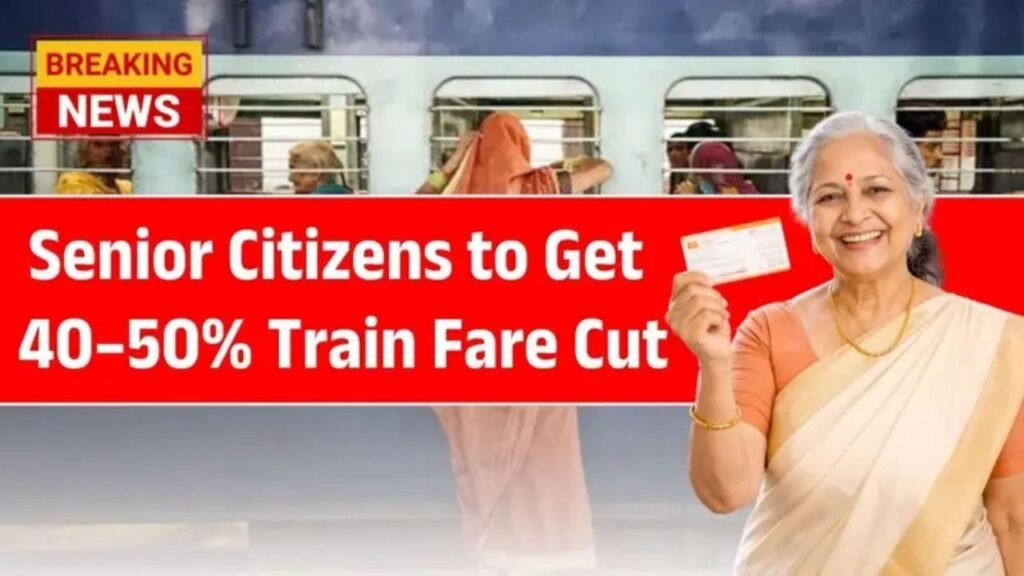
Senior Citizens to Get : For millions of elderly Indians, the railway network is more than just a mode of transport; it is a lifeline that connects them to family, healthcare, and tradition. Since the suspension of fare concessions during the pandemic, there has been a growing call to reinstate these benefits. Now, as of early 2026, there is renewed hope that Indian Railways is actively considering this move, aiming to make train travel more accessible and dignified for the country’s senior citizens.
A Closer Look at the Proposed Fare Benefits
The central point of the current discussions within the railways ministry is the restoration of the discounted fare structure. Before the pandemic, these concessions provided crucial financial relief, particularly for those managing household budgets on fixed pensions. According to sources familiar with the matter, the new proposal could introduce a tiered system. It is suggested that male passengers aged 60 and above might receive a 40% reduction in fares. In a significant nod to the often-unpaid labor of caregiving and longer life expectancy, women aged 58 and above could be eligible for a higher concession of 50%. These benefits, if approved, are expected to be applicable to the most commonly used travel classes, such as Sleeper and Second Sitting, ensuring that the financial aid reaches those who need it most for their everyday travel.
Prioritizing Comfort with Smarter Berth Allocation
Beyond the cost of the ticket, the physical experience of the journey itself is a major concern for older adults. One of the most persistent challenges has been the struggle to secure a lower berth. The physical effort and safety risks involved in climbing to middle or upper berths can turn a long journey into an ordeal. To address this, Indian Railways is planning to overhaul its current reservation system. The goal is to move beyond the existing manual quotas and implement a more intelligent, automated process that guarantees a lower berth to senior citizens at the time of booking, based on availability. This seemingly simple change would have a profound impact, allowing elderly passengers to travel with greater peace of mind and physical comfort.

Creating a More Accessible Journey from Platform to Train
The effort to improve the travel experience extends beyond the train to the stations themselves, which can often be overwhelming and difficult to navigate. The proposed plan includes a multi-faceted approach to enhance station accessibility. This involves increasing the availability of wheelchair services at major junctions, ensuring they are readily accessible upon request. Furthermore, the establishment of dedicated “May I Help You” booths focused on assisting elderly passengers is under consideration. These, combined with clearer, larger signage, would help reduce the anxiety and physical strain associated with navigating crowded platforms, foot over-bridges, and train compartments.
Bridging the Digital Divide in Ticketing
In an era where digital payments and online booking have become the norm, it is easy to overlook those who are not comfortable with technology. Indian Railways is conscious of this digital divide and is working to ensure that any new concessions are accessible to all. Plans are underway to make the IRCTC interface more senior-friendly, with clearer instructions and a simplified process for claiming concessions. However, in a crucial move to ensure inclusivity, railway officials have emphasized the continued importance of offline booking counters. This dual approach ensures that senior citizens who prefer or rely on in-person assistance are not excluded from the benefits.
Frequently Asked Questions (FAQs)
1. When will the new senior citizen concessions be officially available?
Currently, these are proposed changes based on internal reviews and discussions. No official notification has been released by Indian Railways. Passengers are advised to wait for a formal government announcement regarding implementation dates.

2. Will the concessions apply to all classes of travel?
The initial proposals indicate that concessions will primarily be applicable to lower classes like Sleeper and Second Sitting. The applicability to Air-conditioned classes is still part of the ongoing review and will be confirmed in the final policy.
3. How will the new system ensure I get a lower berth?
The proposed update aims to make the lower berth allocation process automatic and more reliable. Once implemented, the computerized reservation system would be programmed to assign lower berths to eligible senior citizens at the time of booking, subject to overall seat availability.
4. What if I don’t know how to book tickets online?
The system is being designed to be inclusive. While the online portal will be simplified, the government plans to continue supporting offline booking at railway reservation counters. You can continue to book your tickets in person and request your concessions there.
5. Is there any assistance available for senior citizens at stations right now?
Yes, many major railway stations currently offer facilities like wheelchair services and porter assistance. You can request these at the station master’s office or the main enquiry counter. The proposed plans aim to make these services more consistent and widespread across the network.
Overview of Proposed Benefits for Senior Citizens
| Feature | Proposed Benefit | Expected Outcome |
|---|---|---|
| Fare Concession | 40% for men (60+) & 50% for women (58+) on select classes. | Significant financial relief, making travel affordable for pensioners. |
| Lower Berth Allocation | Automated, system-driven preference for lower berths. | Enhanced safety, comfort, and dignity during overnight journeys. |
| Station Accessibility | More wheelchairs, dedicated help desks, and clearer signage. | Reduced stress and physical strain when navigating railway stations. |
| Inclusive Booking | Simplified online interface and continued offline counter access. | Ensures all senior citizens, regardless of tech comfort, can access benefits. |